
Filters




How to Choose a Snooker Cue
The right snooker cue should feel comfortable, balanced and suited to the way you play. Compare the shaft material, tip size, weight, length and joint position before choosing. Also consider whether you need a case or extension, especially if you regularly transport your cue or play shots that require additional reach.
Ash and Maple Snooker Cue Shafts
Ash is traditionally recognised by its visible grain, while maple usually has a smoother, more uniform appearance. Neither material is automatically better for every player: feel, balance and consistency matter more than appearance alone. Check each product’s stated construction and specifications rather than assuming that every cue uses the same shaft material.
Tip Size, Weight and Cue Length
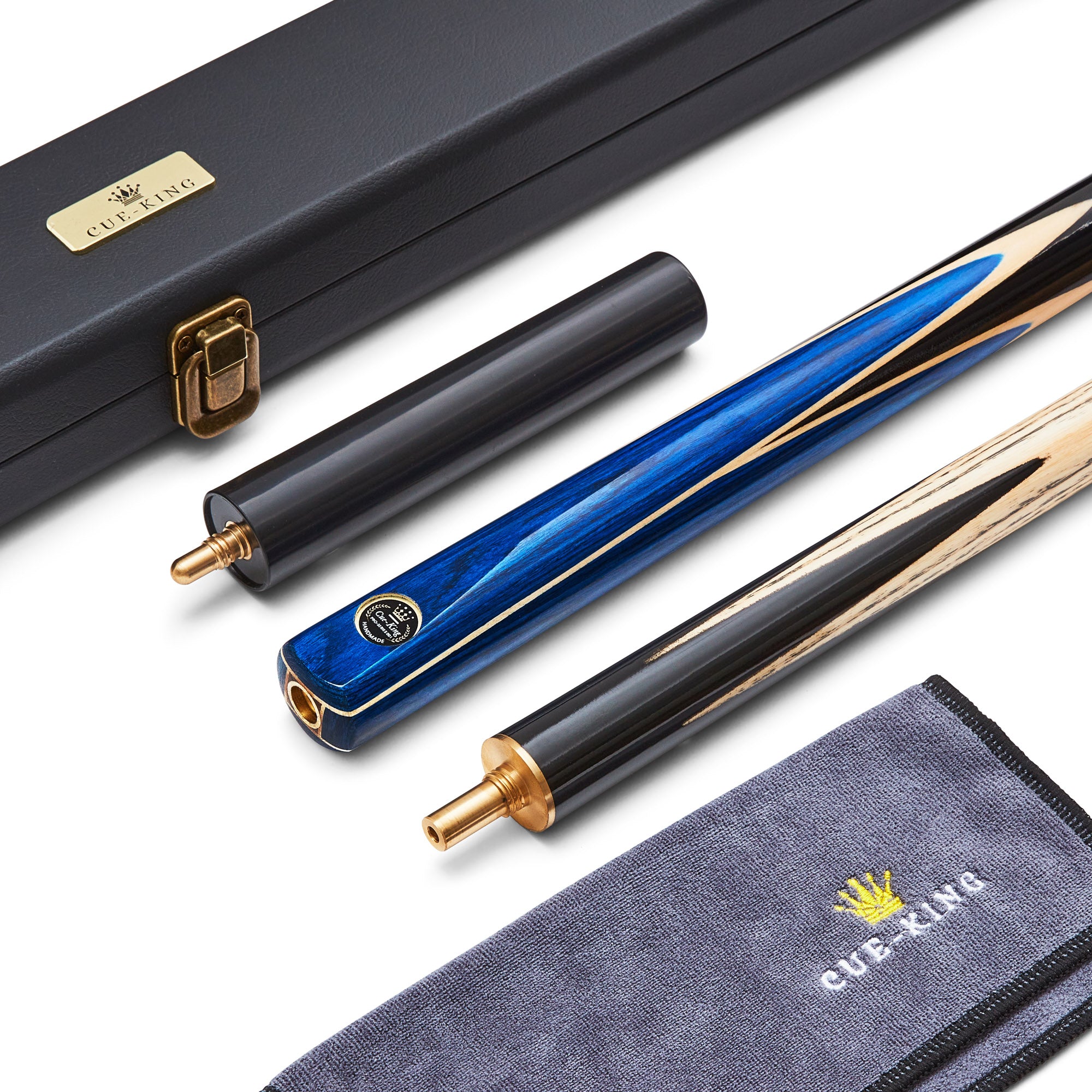
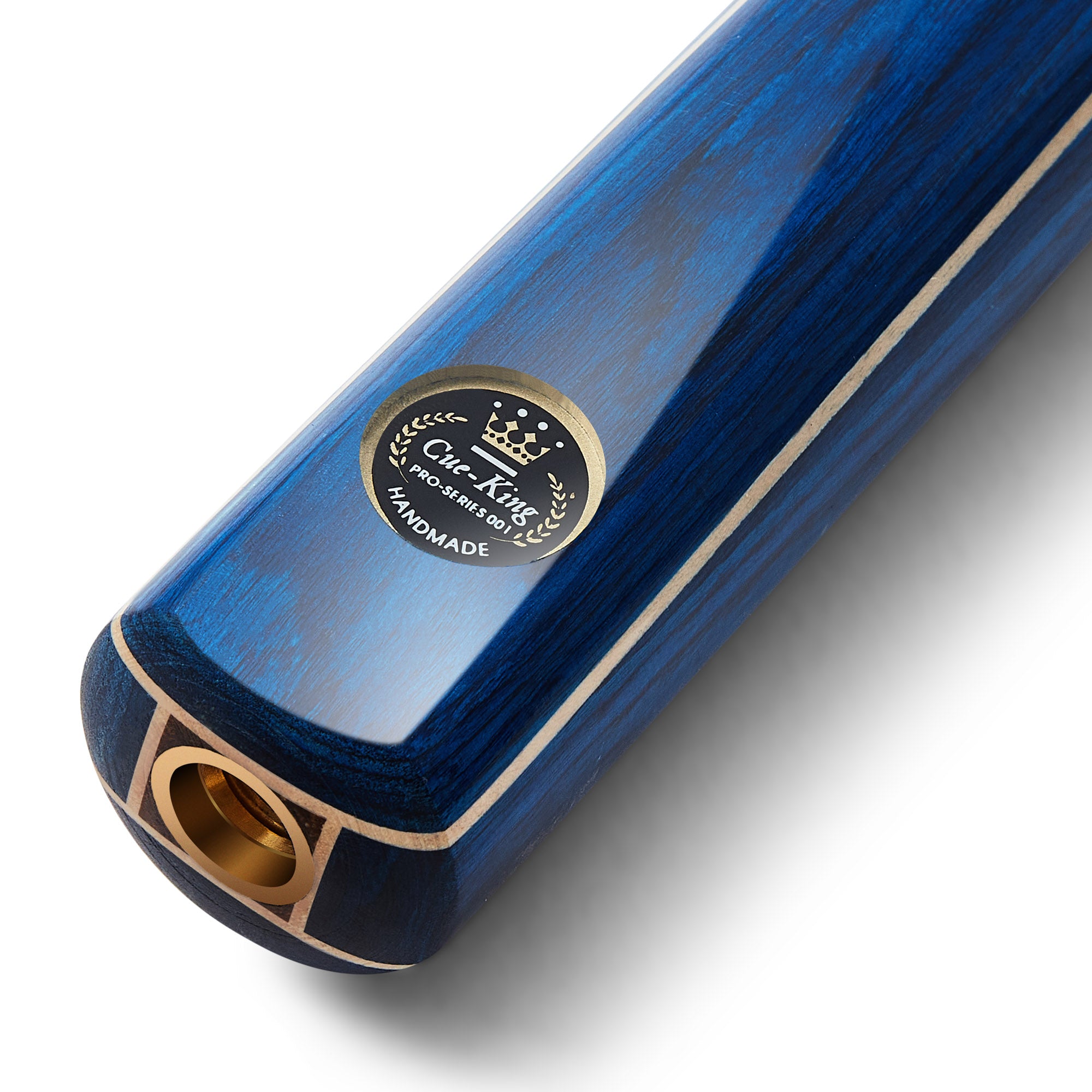
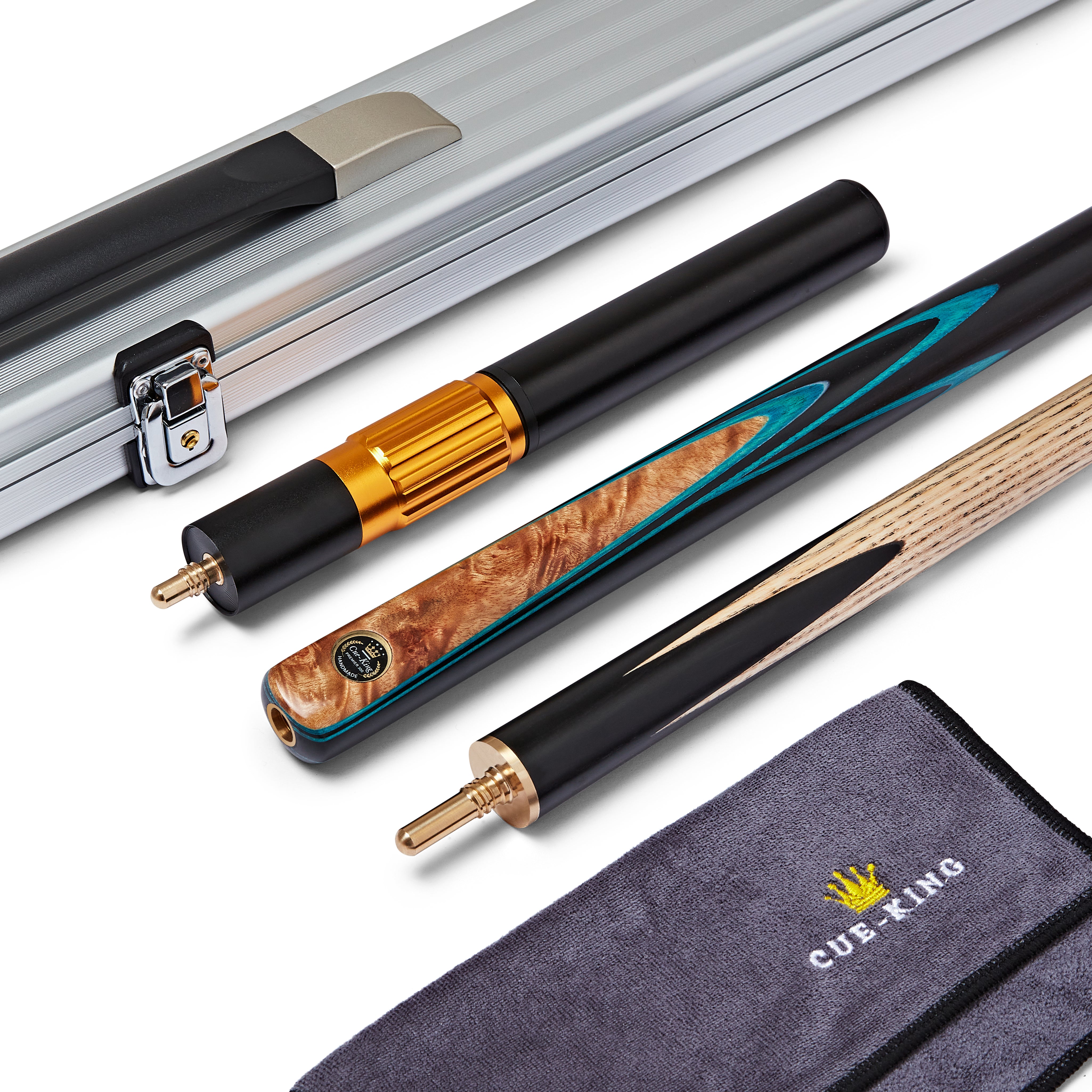
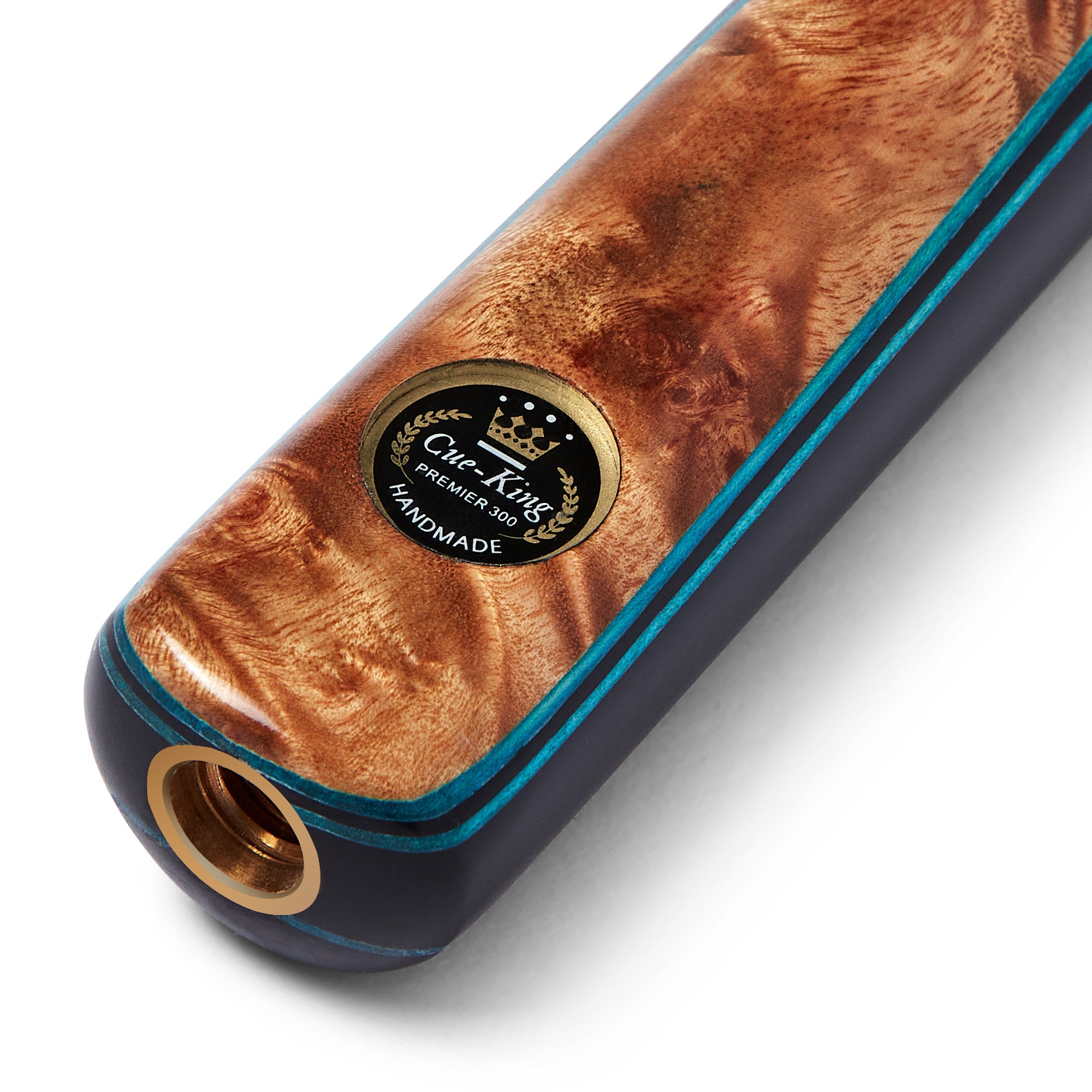
A smaller tip provides a narrower contact area, while cue weight and balance affect how the cue feels through the shot. Preferences vary, so compare the listed specifications carefully. The Premier 300 cue set and Pro Series 001 offer useful reference points when comparing Cue-King models.
3/4-Jointed and Two-Piece Cues
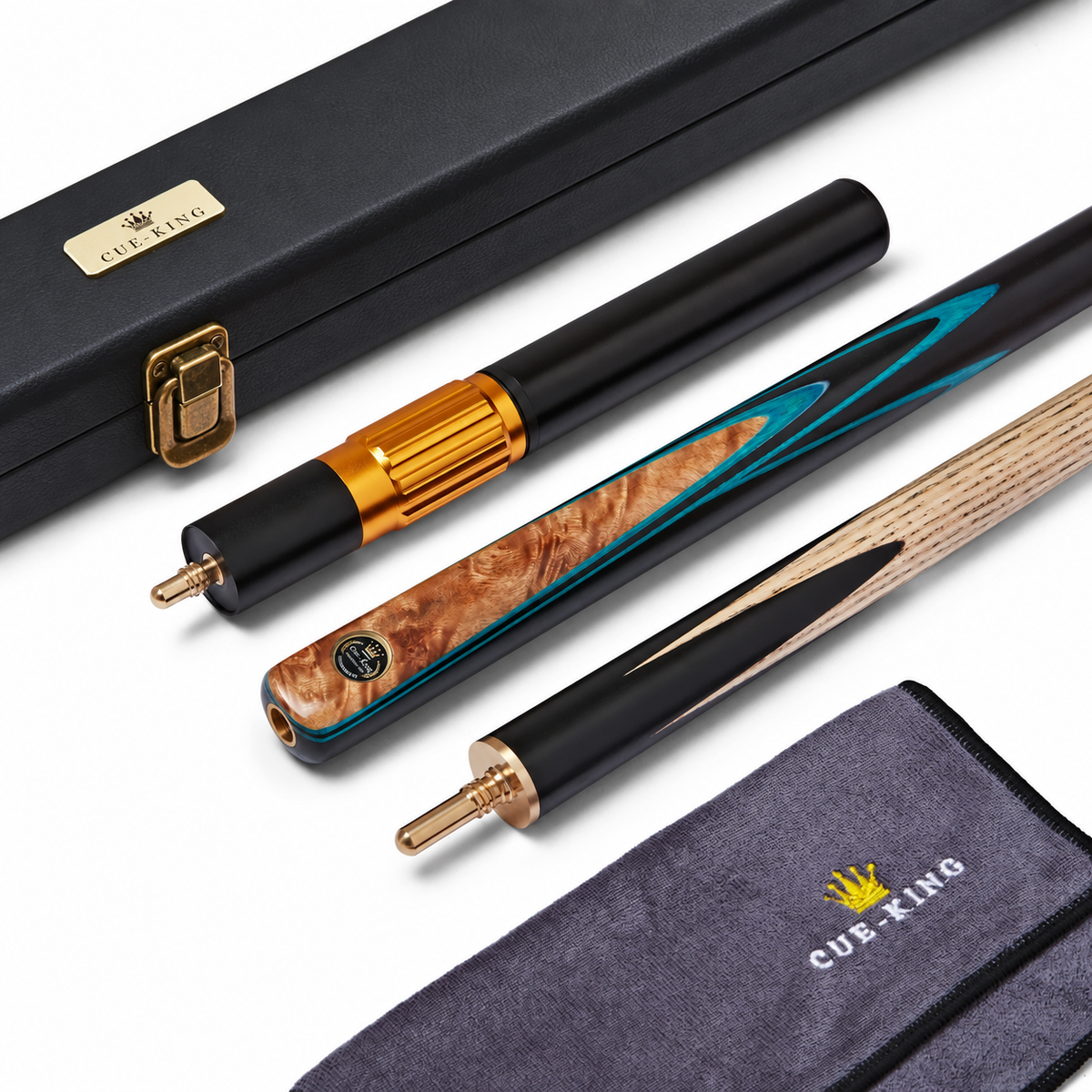
A 3/4-jointed cue separates farther towards the butt, while a two-piece cue normally separates near the middle. Both formats are easier to transport than a one-piece cue, but the preferred joint position is personal. Our Black Series cue set is one example of a 3/4-jointed option supplied with storage and extension accessories.
Cases, Extensions and Further Guidance
A suitable cue case helps protect your cue during storage and transport, while a cue extension can provide additional reach when required. If you alternate between games, use our pool cue vs snooker cue guide to compare their typical differences before buying.
Choose a case for your snooker cue
Compare snooker cue cases and check the usable internal length against your dismantled cue before ordering. Browse cue extensions and confirm the joint fits your model. If you mainly play pool, explore our pool cues for English and American pool.