
The best pool cue for a beginner is one that suits the game you play, feels comfortable and has a clearly stated specification. Start with the cue you already use, then compare tip diameter, length, weight, joint position and what is included. You do not need the most expensive cue to begin developing a consistent technique.
Start with your game
Before comparing products, establish whether you mainly play English pool, American pool or snooker. Do not choose a cue solely because it is described as suitable for beginners: the equipment and player preferences can differ between disciplines. Our pool cue vs snooker cue guide explains the main buying considerations.
Key factors to compare
| Decision | What to check | Why it matters |
|---|---|---|
| Tip diameter | The selected variant, not just the headline photograph | A tip size you enjoy in one game is not automatically your preferred choice for another. |
| Length and weight | The stated measurements and how the cue feels in your stance | A comfortable setup is more useful than assuming one weight is ideal for every beginner. |
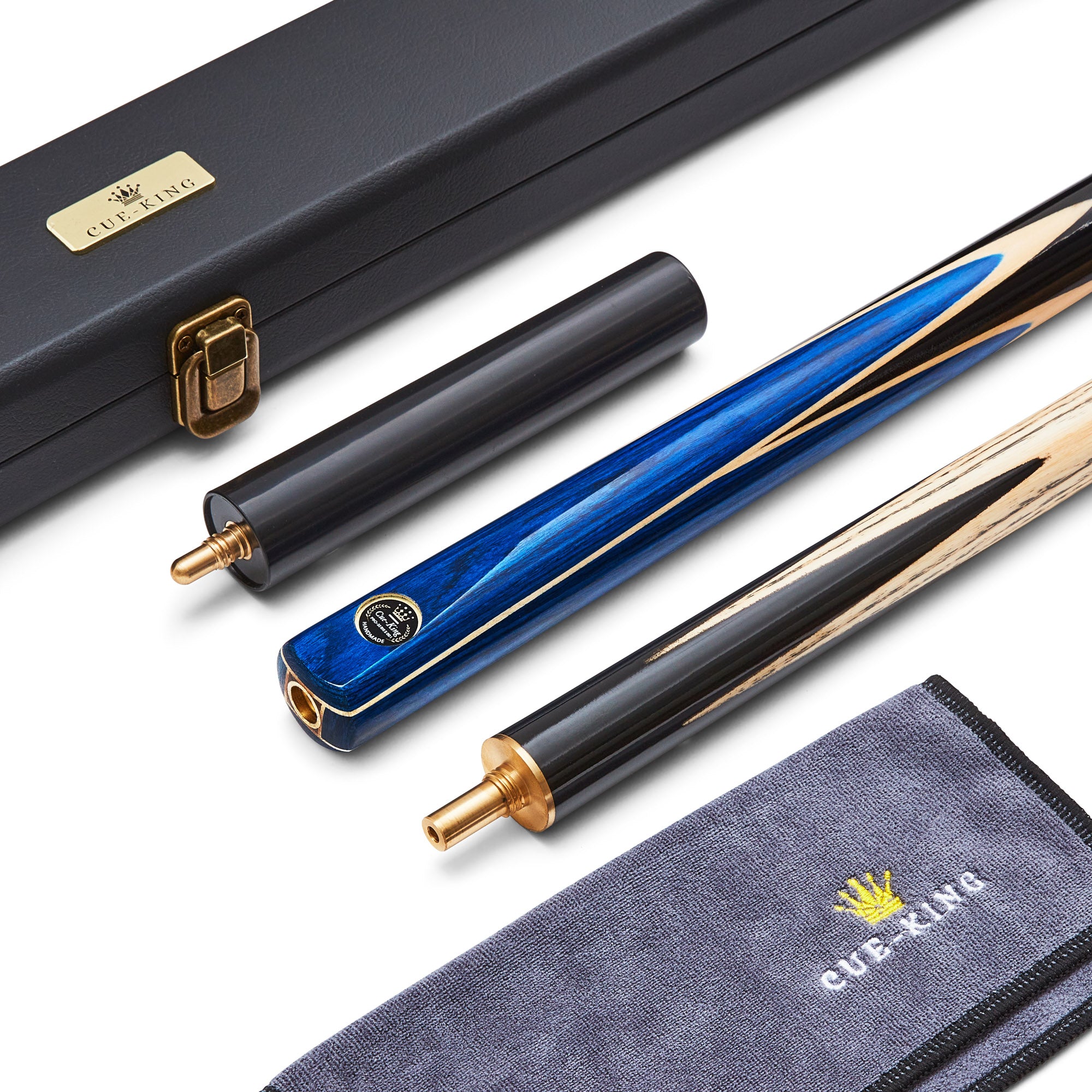
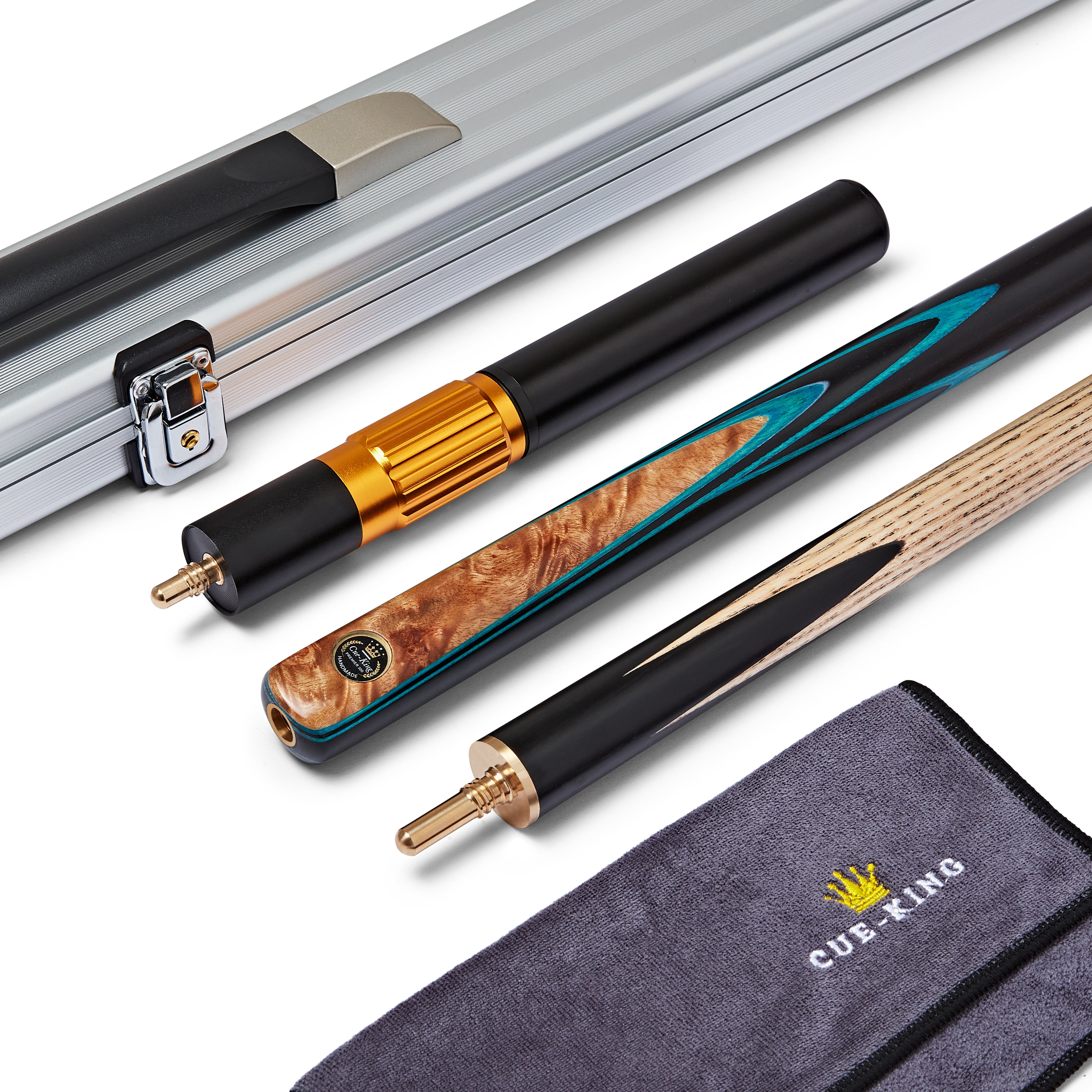
| Joint and case | Where the cue separates and whether a compatible case is included | The packed sections must fit the way you transport and store your cue. |
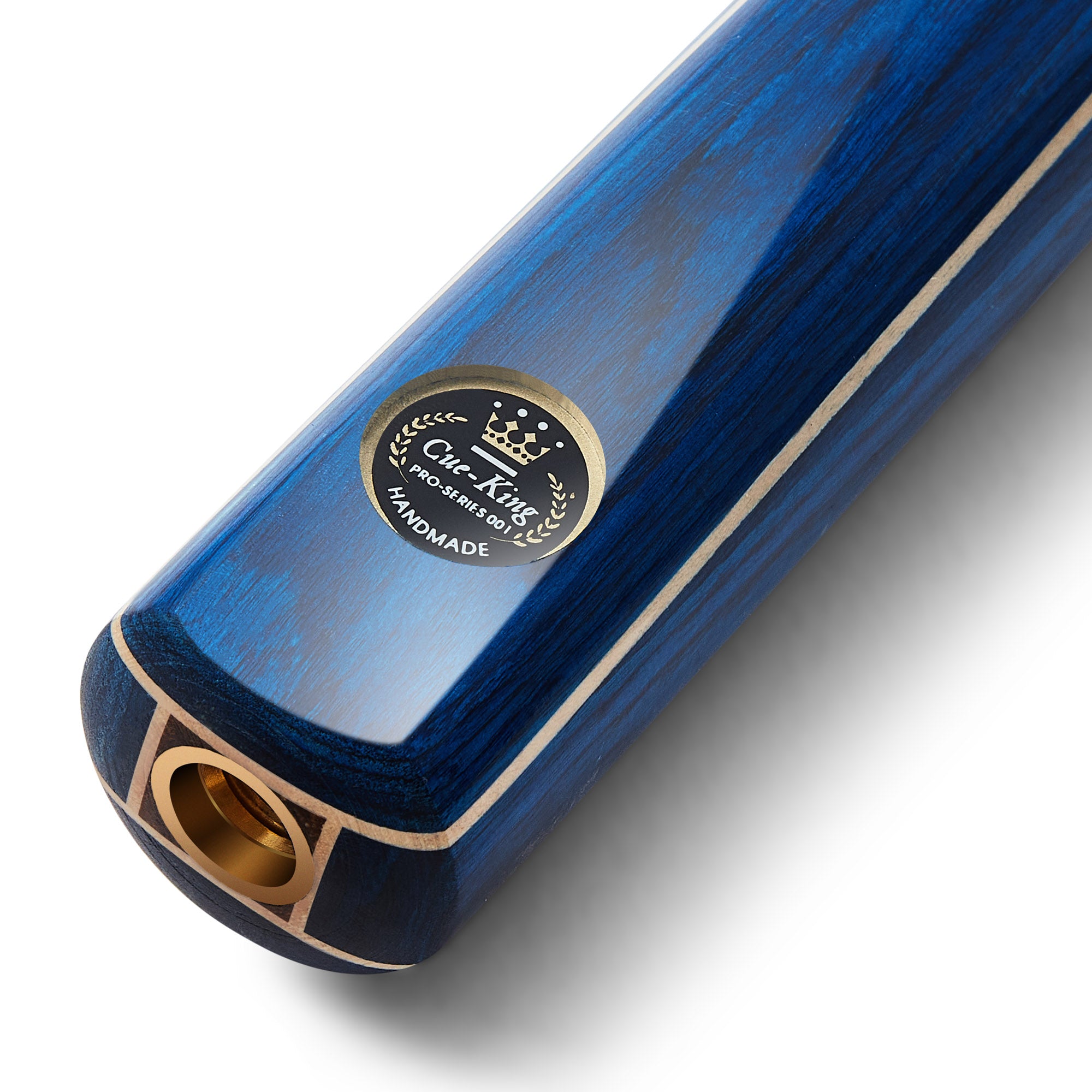
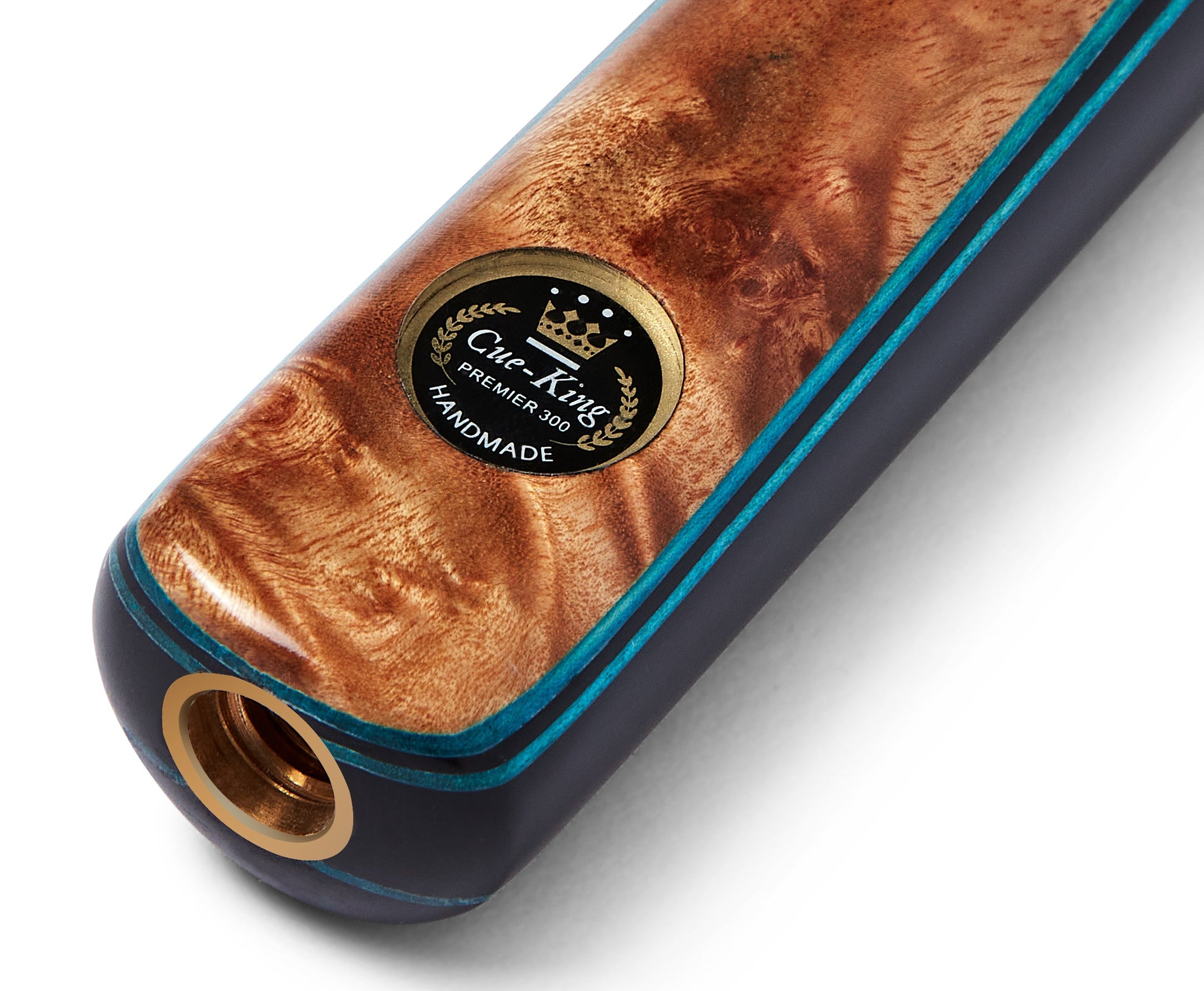
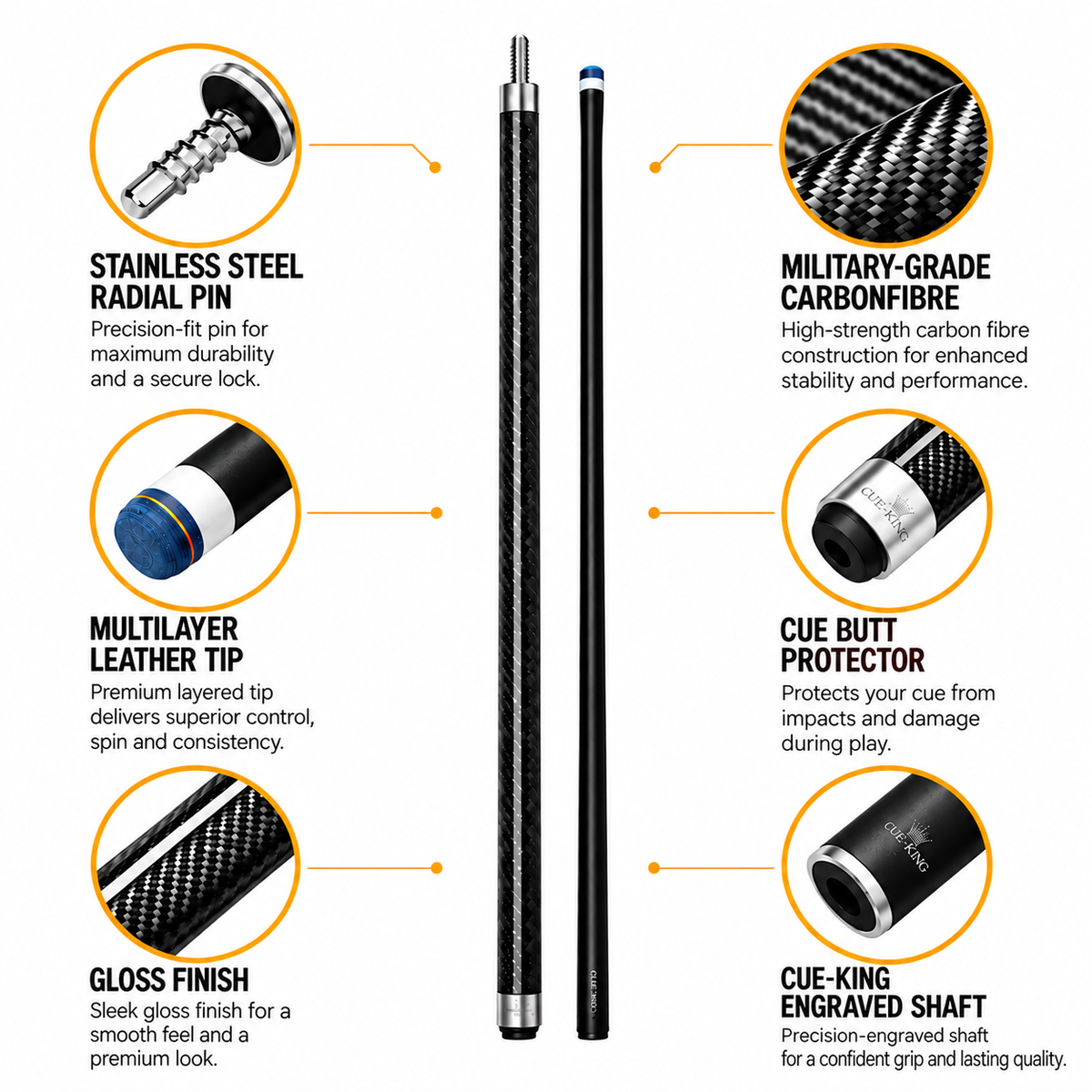
| Construction | The shaft material, grip and finish actually specified | A material name or decorative finish alone does not guarantee playing performance. |
Weight, balance and comfort
If possible, try a few cues in familiar conditions. Use the same table and balls, start with straightforward shots and notice whether the cue feels comfortable through your bridge and in your grip. There is no single ideal weight for every new player. If you like your current cue, use its measurements as a useful reference rather than changing every feature at once.
Choose the tip deliberately
A larger or smaller tip is not an automatic upgrade. Check the exact diameter and selected option before ordering. Avoid a blanket recommendation of one tip range for everyone: beginners playing different cue sports may want different specifications. If you are uncertain, ask for advice based on your game and the cue you already use.
Plan for carrying and storage
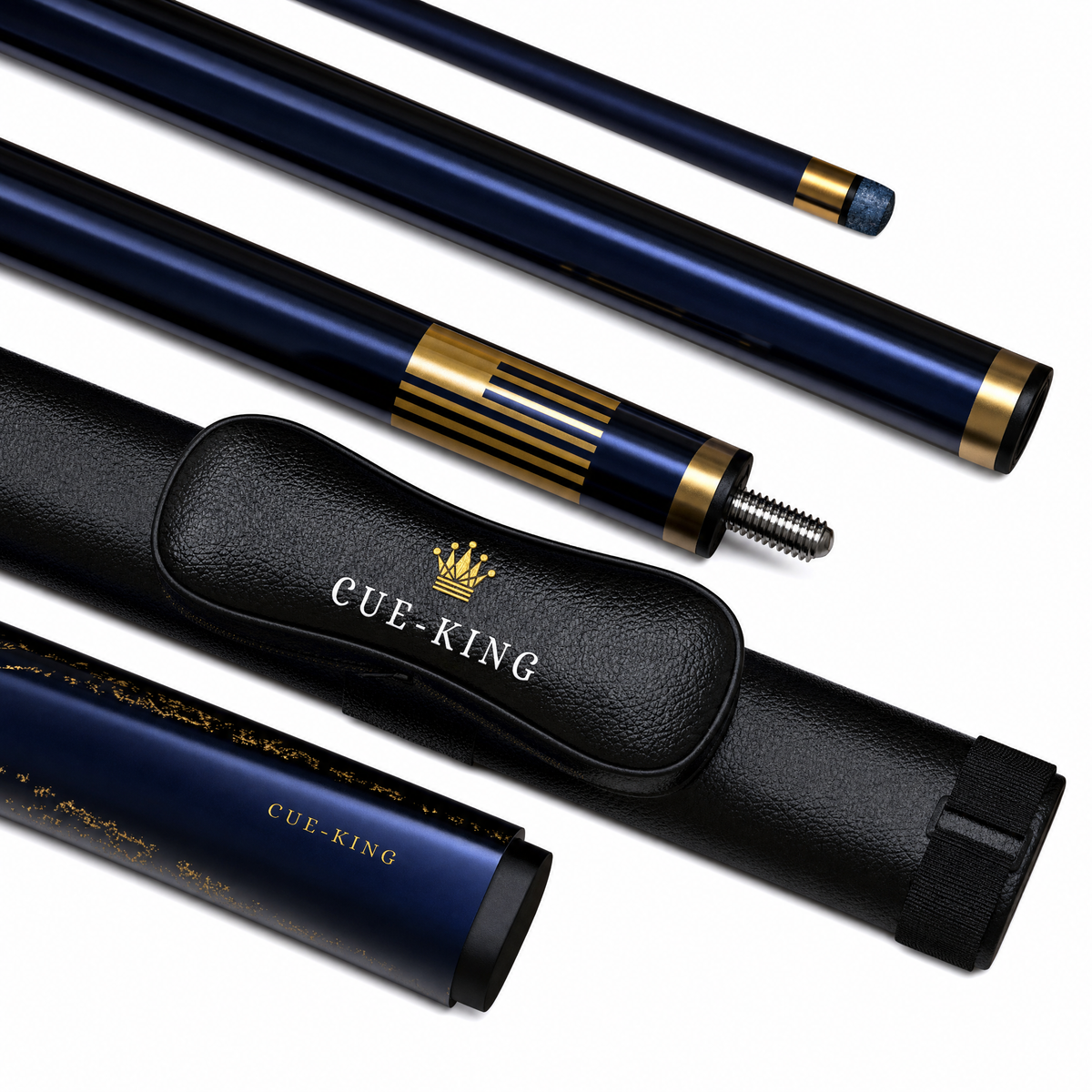
A two-piece or three-quarter-jointed cue needs a case that fits its separated sections. Compare the joint position and included accessories, not just the overall cue length. Read our 2-piece vs 3/4-jointed cue guide for a practical explanation of the options.
Build a shortlist within your budget
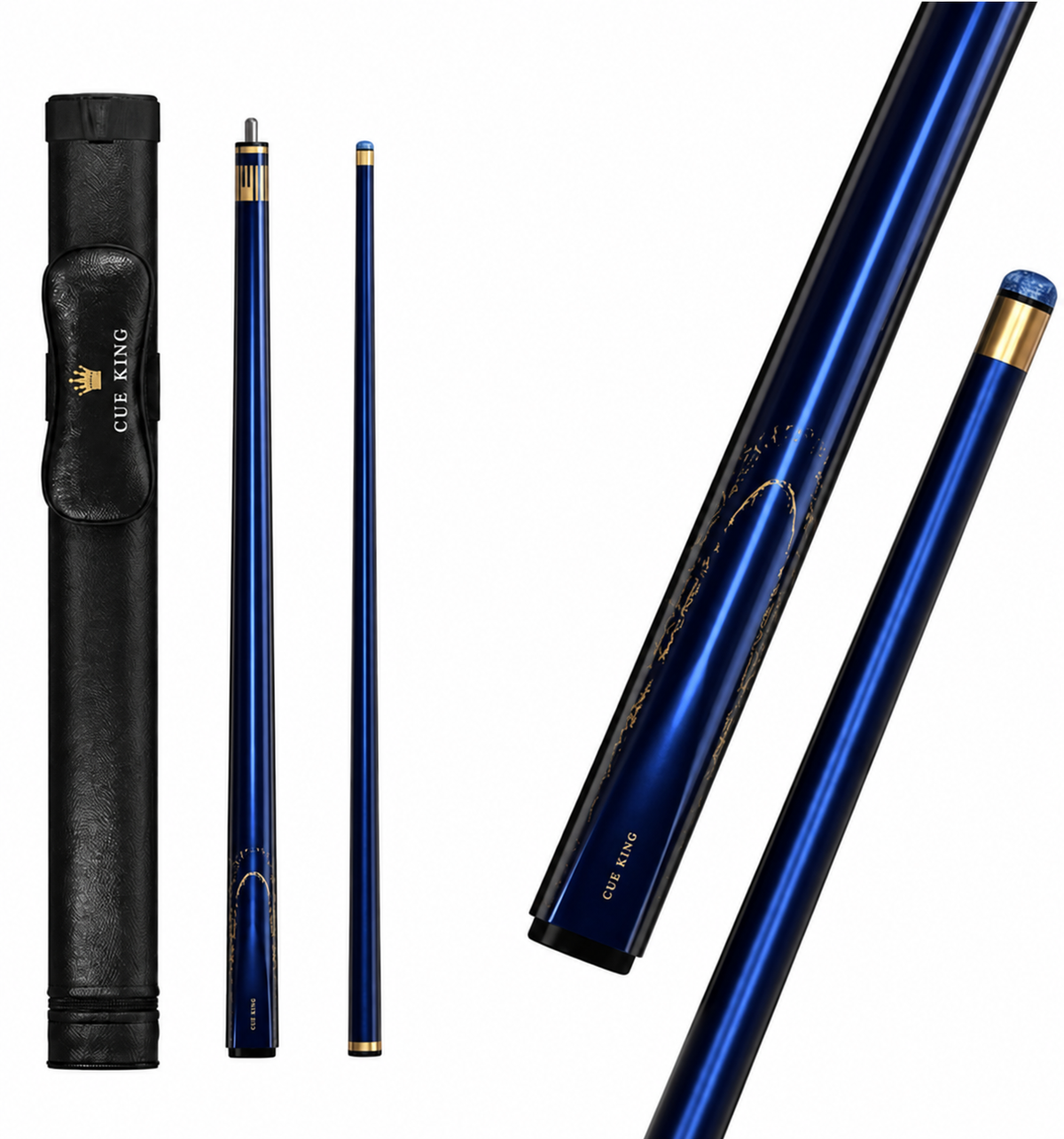
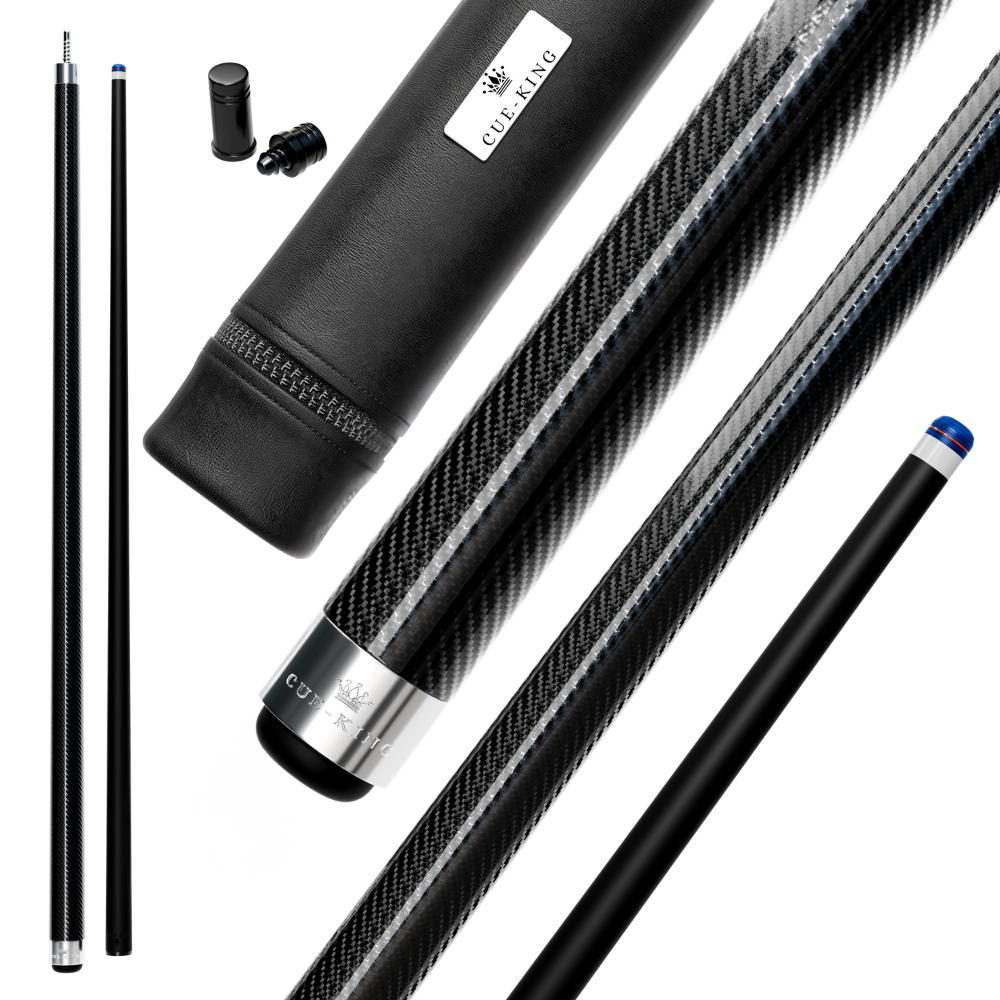
Use the pool cue comparison table to compare current Cue-King models by tip size, joint format and supplied case. Open each shortlisted listing for the full specification, price and available options. Include the cost of any case or accessories you need when deciding your budget.
A final check before ordering
Confirm the chosen tip size, length, weight, joint and package contents. Keep your order confirmation, follow the care instructions for the cue and protect it during transport. Once you have equipment that suits you, regular practice and sound technique are more valuable than repeatedly changing cues in search of an instant improvement.

Leave a comment
This site is protected by hCaptcha and the hCaptcha Privacy Policy and Terms of Service apply.